
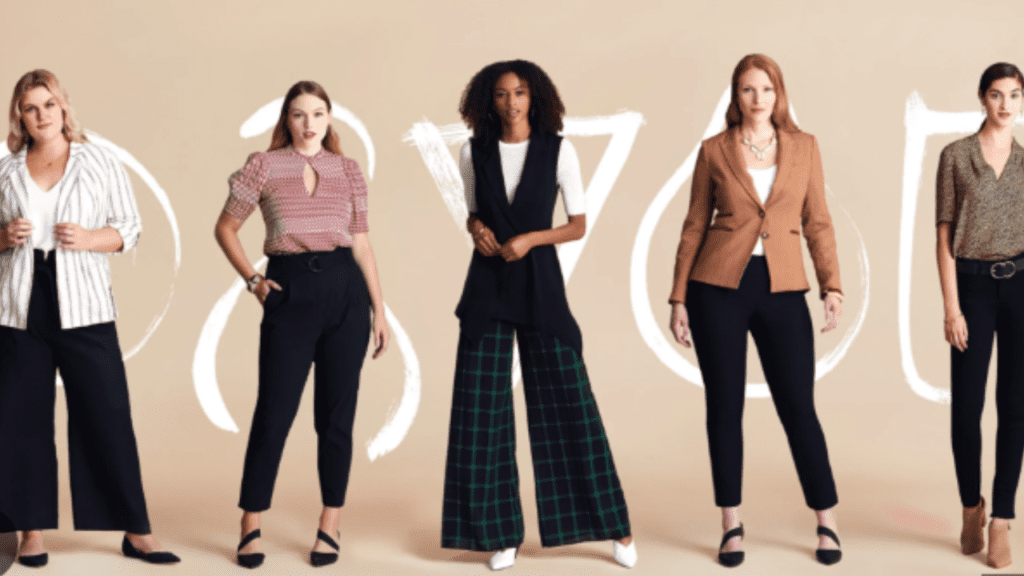
Let’s get one thing straight before we start.
Body type is not about fixing your body. It’s about choosing clothes that work with it.
Most online shopping frustration happens because we buy outfits that look amazing on the model and confusing on us. That’s not because your body is “wrong”. It’s because the outfit wasn’t made for your proportions.
This guide will help you understand your body type, what styles flatter you, and what to avoid so you stop wasting money on clothes you never wear.
Style doesn’t start with trends. It starts with understanding yourself.
Why Body Type Matters While Shopping Online
When shopping online, you can’t:
- try clothes on
- feel the fabric
- see the fall properly
So you must rely on smart selection, and body-type styling is the biggest shortcut.
Choosing clothes according to body type:
- improves fit instantly
- reduces returns
- boosts confidence
- makes simple outfits look intentional
This is especially important for daily wear, office outfits, and kurtis.
How to Identify Your Body Type
Stand in front of a mirror and observe:
- shoulder width
- bust size
- waist definition
- hip width
Do not overthink it. Most women are a mix, but usually one shape dominates.
Most women don’t fit perfectly into one category, and that’s normal. Choose the body type that feels closest to you and use it as a guideline, not a rulebook.
Pear-Shaped Body Type: Balance the Upper and Lower Body
A pear-shaped body usually has wider hips compared to shoulders, with a defined waist and slimmer upper body. This is one of the most common body types among Indian women.
The key here is balance. Instead of trying to hide the lower body, the goal is to add visual interest to the upper half so the overall look feels proportionate.
A-line kurtis, flared hems, and styles that gently move away from the body work very well. Necklines with detailing, prints, or embroidery draw attention upward and create harmony. Boat necks and scoop necks are particularly flattering.
On the other hand, body-hugging kurtis or very straight cuts that cling to the hips can make the lower body look heavier than it actually is. Very short kurtis paired with tight bottoms often exaggerate the hip area and are best avoided.
Balance creates elegance. Fighting your proportions creates discomfort.
Apple-Shaped Body Type: Create Length and Flow
Apple-shaped bodies usually carry more weight around the upper body and midsection, while legs tend to be slimmer. Comfort and fabric choice are especially important here.
The best approach is to create vertical lines that elongate the body. Straight-cut kurtis, empire waist styles, and flowy silhouettes work beautifully. V-neck and U-neck designs open up the chest area and reduce heaviness.
Soft fabrics like rayon or light crepe help because they fall smoothly instead of sticking to the body. Stiff fabrics and heavy embroidery around the chest or tummy area add bulk and should be avoided.
Instead of trying to hide the midsection with oversized clothing, focus on structured but relaxed fits. This makes the outfit look neat without feeling restrictive.
Hourglass Body Type: Highlight Natural Curves Gracefully
An hourglass body type has a balanced bust and hip measurement with a clearly defined waist. This body type can carry many styles well, but structure is crucial.
Fitted kurtis, wrap styles, belted designs, and Anarkali cuts highlight natural curves without exaggeration. The waist is your strongest feature, so styles that acknowledge it look the most flattering.
Oversized, boxy kurtis often hide this natural balance and can make the outfit look shapeless. While comfort is important, excessively loose silhouettes don’t do justice to this body type.
When your body already has balance, your clothes just need to respect it.
Rectangle (Straight) Body Type: Add Shape and Dimension
In a rectangle body type, the shoulders, waist, and hips are nearly the same width. The body looks straight, with minimal curves. The goal here is not to fake curves but to add visual interest and structure.
Layered kurtis, peplum styles, gathered waists, and asymmetrical hems create movement and shape. Kurtis with paneling or subtle flare add dimension without looking dramatic.
Very plain, straight-cut kurtis can sometimes make the body look flat or unfinished. Adding layers, textures, or soft prints instantly improves the look.
Flared bottoms, palazzos, and skirts pair especially well with this body type because they add volume where needed.
Petite Body Type: Focus on Proportion, Not Size
Petite women are shorter in height with a smaller frame. Styling here is all about proportion and length.
Short to mid-length kurtis work best because they don’t cut the body visually. Vertical prints, minimal layering, and clean lines help elongate the frame. High-waist bottoms paired with shorter kurtis also create the illusion of height.
Very long kurtis, heavy dupattas, and excessive flares can overwhelm a petite frame. Instead, choose light fabrics and well-fitted silhouettes.
Petite styling is about elongating the frame, not hiding it.
Body Type vs Kurti Style Table
| Body Type | Best Kurti Styles | Avoid |
|---|---|---|
| Pear | A-line, Flared | Tight, clingy cuts |
| Apple | Empire, Straight | Heavy chest work |
| Hourglass | Fitted, Wrap | Boxy silhouettes |
| Rectangle | Layered, Peplum | Plain straight cuts |
| Petite | Short, Vertical prints | Long oversized kurtis |
Fabric Choice Matters Too
Even the right cut can fail if the fabric is wrong. Soft, breathable fabrics adapt better to body curves and movement.
Cotton and rayon work well for most body types because they are comfortable and flexible. Very stiff or shiny fabrics often highlight areas unintentionally and reduce comfort.
Common Mistakes Women Make While Styling
Many women buy oversized clothes thinking they will hide their body. In reality, oversized clothing often adds bulk and looks careless. Another common mistake is copying influencer outfits without considering body structure. What works for someone else may not work for you, and that’s perfectly okay.
The smartest wardrobes are built with awareness, not imitation.
Final Thoughts
Dressing according to your body type is not about rules. It’s about understanding what makes you feel confident and comfortable. When clothes fit well and feel right, they automatically look stylish.
Online shopping becomes easier when you stop chasing trends and start choosing cuts and fabrics that work for you. That’s how you reduce returns, save money, and actually enjoy what you wear.
Fashion should support your daily life, not complicate it.